Roofing Companies: Professional Roof Replacement Solutions
Managing Roof Replacement: Critical Steps to Make Informed Decisions for Your Home
Steering roof replacement requires careful consideration at every stage. Homeowners must first identify when their current roof is no longer functional. Next, selecting the right materials and budgeting appropriately are critical steps. Choosing a qualified contractor can substantially impact the outcome. Understanding each phase of the process ensures a smoother experience. Yet, many still find themselves overwhelmed by the choices ahead. What comes next in this vital journey?
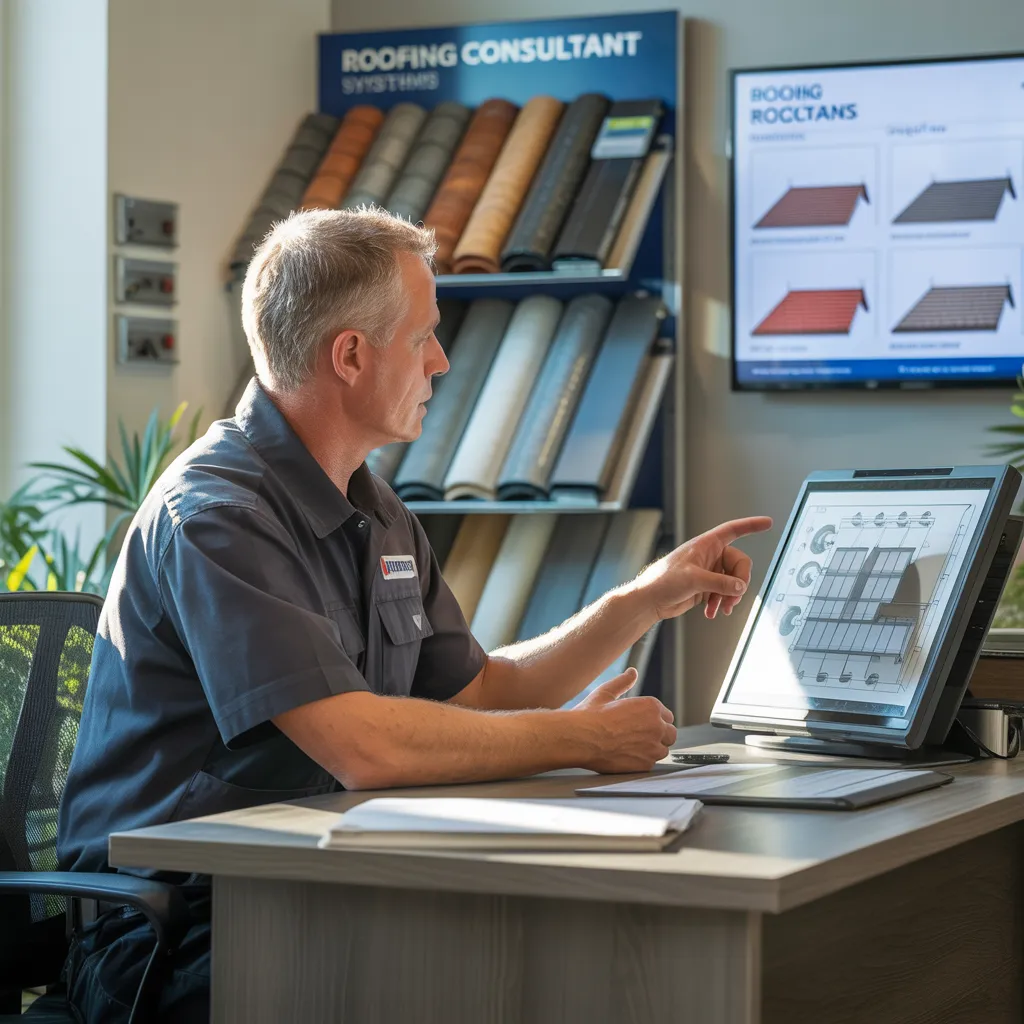
How to Tell When You Need a New Roof?
What are the signs that indicate a homeowner needs roof replacement? Multiple critical factors can inform this choice. Initially, observable damage indicators, including curled, absent, or damaged shingles, typically indicate wear. Homeowners ought to also look for granules collecting in gutters, as this can suggest shingle degradation. In addition, dark marks or fungal growth on the roof surface may point to underlying dampness issues. Within the house, moisture marks on ceilings or walls may expose leaks, requiring prompt action. Another vital factor is the age of the roof; most asphalt roofs last around 20 years, and nearing this age may warrant a replacement. Lastly, an expert evaluation can offer a comprehensive examination, assisting property owners in making knowledgeable choices about their roofing requirements. Comprehending these warnings confirms that property owners can shield their investment and sustain the general integrity of their residence.
Which Roofing Materials Are Right for Your Home?
Choosing the right roofing materials can substantially impact a home's durability and aesthetic appeal. Homeowners need to consider multiple factors, including climate, architectural style, and budget. Asphalt shingles are favored for their affordability and ease of installation, making them ideal for many homes. Metal roofing, recognized for its longevity and energy efficiency, is another alternative, particularly in areas experiencing severe weather. For those seeking a more natural look, wood shakes provide a rustic charm but require regular maintenance. Slate and tile, while more expensive, deliver exceptional longevity and can boost a home's value. Additionally, eco-friendly materials, such as recycled shingles or green roofs, appeal to environmentally conscious homeowners. Ultimately, selecting the right material involves evaluating these factors against personal preferences and specific regional considerations, ensuring a roof that meets both functional and aesthetic needs for years to come.
How to Effectively Budget for Your Roof Replacement?
Effective budgeting for a roof replacement calls for detailed planning and evaluation of numerous costs. Homeowners should begin by examining the general condition of their existing roof and estimating the needed materials and labor required for the replacement. It can be advantageous to research diverse roofing materials, as costs can change substantially depending on style and quality.
Furthermore, homeowners should account for potential permits, inspections, and disposal fees for the old roofing materials. Setting aside a contingency fund for unforeseen expenses can prevent financial strain during the work.
To create a clear budget, securing multiple estimates from several suppliers and contractors can provide a broader perspective on pricing. Furthermore, examining warranties and long-term maintenance costs of various roofing options can assist in making an informed decision that aligns with both budget and future needs.
Choosing the Right Contractor for Your Roof Replacement?
What factors should homeowners consider when selecting a contractor for their roof replacement? To start, they ought to emphasize experience and credibility. Homeowners benefit from contractors who have a proven track record and positive reviews from previous clients. Verifying appropriate licensing and insurance coverage is essential, since it safeguards against possible liabilities. Moreover, acquiring multiple bids helps assure competitive rates and openness about costs.
Homeowners should also inquire about the materials utilized by the roofing company, as quality can substantially influence the roof's longevity. Communication is crucial; a competent contractor should be responsive and willing to answer questions. Finally, considering the warranties provided can provide peace of mind, reflecting the contractor's confidence in their work. By carefully evaluating these factors, homeowners can make well-informed choices and select a trustworthy contractor for their roof replacement project.
Your Roof Replacement Process: Step by Step
A well-executed roof replacement procedure involves numerous important steps that homeowners should follow. First, they should carry out a thorough inspection of the existing roof to determine its condition and identify the need for replacement. Next, homeowners need to research and choose a reputable contractor who specializes in roofing work. Getting multiple quotes will help them compare costs and services.
After a contractor has been selected, the homeowner should complete the agreement, ensuring all details are clearly documented. The next step is to prepare the property for the replacement, which may include moving furniture and shielding outdoor plants. During the actual replacement, clear communication between the homeowner and contractor is critical.
When the new roof is set up, a comprehensive inspection ought to be completed to verify workmanship and compliance with safety codes. Subsequently, homeowners need to learn about preservation methods to increase the lifespan of their new roof.
Common Questions
How Long Will a Roof Replacement Take?
A roof replacement typically takes between one and three days, contingent upon variables such as the size of insightful guide the roof, roofing materials employed, atmospheric conditions, and the skill level of the installation team.
Is Staying in My Home During Roof Replacement an Option?
It's usually possible for homeowners to stay at home while their roof is being replaced. Nevertheless, the process can be uncomfortable due to noise levels, falling debris, and safety risks. You should coordinate with contractors to address specific conditions and establish safety measures.
What Warranties Are Available for New Roofs?
Multiple warranties for new roofs include warranties from manufacturers, which cover the materials used, and workmanship warranties, supplied by contractors. The duration and coverage differ, often spanning from between 10 and 50 years, depending on the material and installer.
Are Financing Plans Offered for Roof Replacement?
Yes, various financing options exist for roof replacement, including personal loans, home equity lines of credit, and specialized contractor financing plans. Property owners should investigate and evaluate terms to identify the most suitable option for their financial circumstances.
How Do I Properly Maintain My New Roof?
To maintain a new roof successfully, one should consistently examine for debris, ensure proper drainage, clean gutters, inspect for leaks, and schedule professional inspections to tackle potential issues before they escalate, extending the roof's longevity.